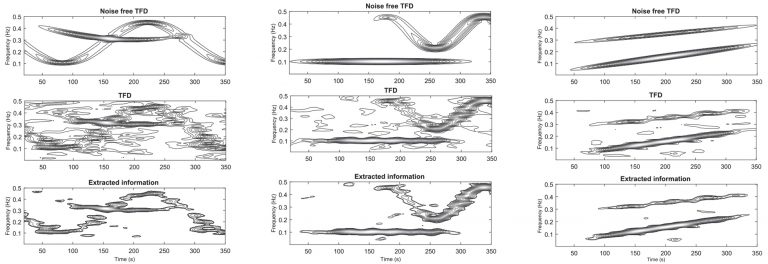
This paper proposes an automatic method for extraction of useful information content from time-frequency distributions of nonstationary signals heavily corrupted by additive noise. The proposed method, which does not require prior knowledge of the signal, initially performs a one-dimensional clustering of the time-frequency distribution aimed at segmenting it into a fixed number of classes. This […]
News
An experimental methodology for the concurrent characterization of multiple parameters influencing nanoscale friction
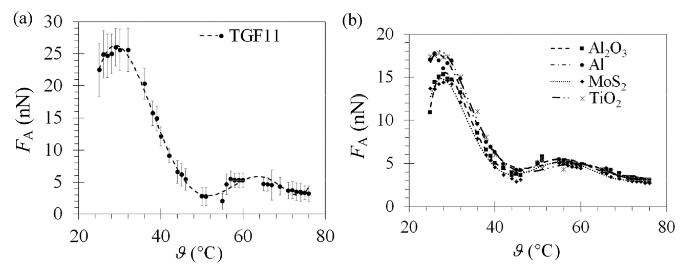
A structured transdisciplinary method for the experimental determination of friction in the nanometric domain is proposed in this paper. The dependence of nanoscale friction on multiple process parameters on these scales, which comprise normal forces, sliding velocities, and temperature, was studied via the lateral force microscopy approach. The procedure used to characterize the stiffness of […]
Multi-level image annotation using bayes classifier and fuzzy knowledge representation scheme

In this paper, a model for multi-level image annotation that is performed in two phases is proposed. In the first phase, a Naïve Bayes classifier is used to classify low-level image features into elementary classes. In the second phase, a knowledge representation scheme based on Fuzzy Petri Net is used to expand the level of […]
A knowledge-based multi-layered image annotation system

Highlights A fuzzy-knowledge based intelligent system for multilayered image annotation Novel merged statistical and knowledge-based approach for image interpretation Automatic acquisition of facts and rules about the concepts, and their reliability. Inconsistency checking of image segments classification. Automatic knowledge-based scene recognition and inference of more abstract classes.
Prof. Iven Mareels, Head of the IBM Research Lab, held a talk on the Artificial intelligence – Perspectives: a Brief History, Present Developments, and Future Promises”

Prof. dr. sc. I. Mareels, Head of the IBM Research Lab of Australia, held an invited speech at the Faculty of Engineering on the “Artificial intelligence – Perspectives: a Brief History, Present Developments, and Future Promises” on the 10th of April, 2019. The event took place at the Faculty of Engineering, University of Rijeka (www.riteh.uniri.hr).
Embedded systems for 3D perception
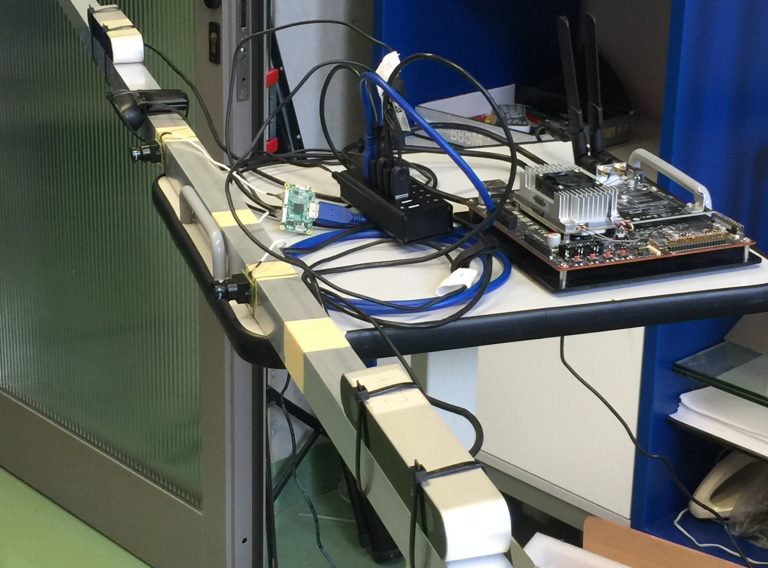
The main objective of this project is the scientific and practical analysis of a distributed embedded system for 3D perception targeted for people and object tracking through the efficient implementation of new algorithms optimized for execution on embedded systems. The project will enable the mobility of the researchers, ensure continuous research, foster the dissemination of […]
Distant Reading for European Literary History

Grounded in the Distant Reading paradigm (i.e. using computational methods of analysis for large collections of literary texts), the project creates a shared theoretical and practical framework to enable innovative, sophisticated, data-driven, computational methods of literary text analysis across at least 10 European languages. Fostering insight into cross-national, large-scale patterns and evolutions across European literary […]
Algorithm-supported, mass and sequence diversity-oriented random peptide library design
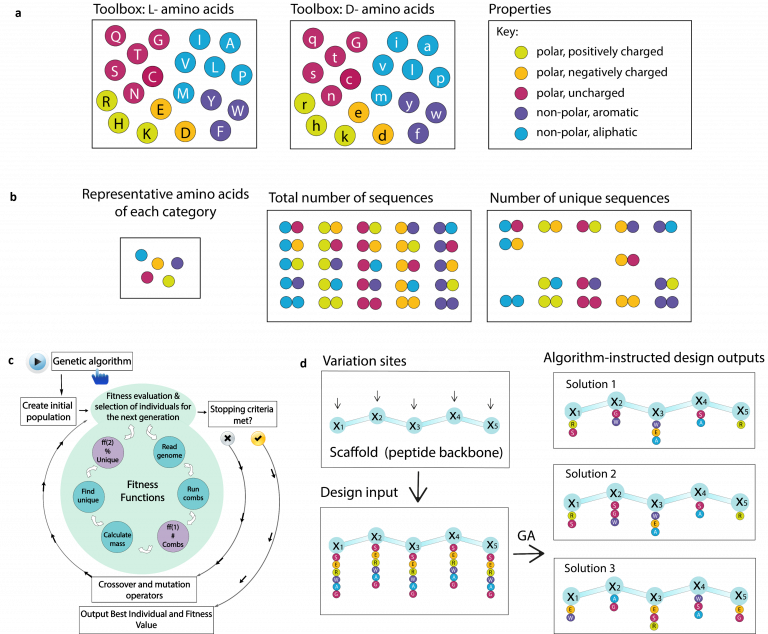
Random peptide libraries that cover large search spaces are often used for the discovery of new binders, even when the target is unknown. To ensure an accurate population representation, there is a tendency to use large libraries. However, parameters such as the synthesis scale, the number of library members, the sequence deconvolution and peptide structure […]
Local-Entropy Based Approach for X-Ray Image Segmentation and Fracture Detection
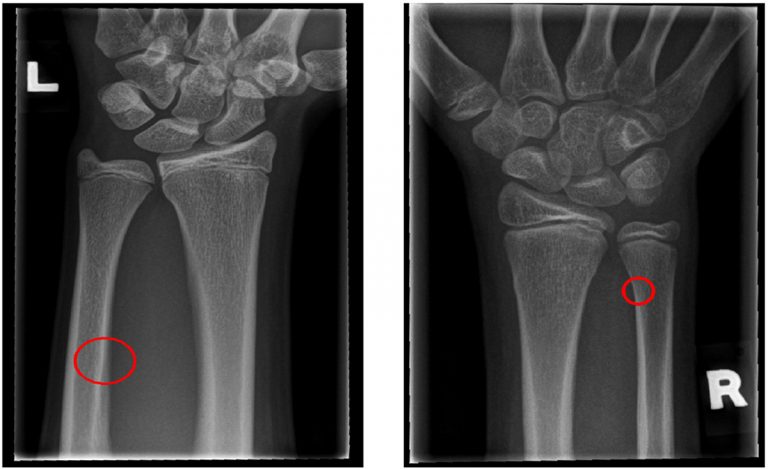
The paper proposes a segmentation and classification technique for fracture detection in X-ray images. This novel rotation-invariant method introduces the concept of local entropy for de-noising and removing tissue from the analysed X-ray images, followed by an improved procedure for image segmentation and the detection of regions of interest. The proposed local Shannon entropy was […]
Invited talk at the Institute of Informatics, University of Szeged, Hungary

Invited talk on “Data-Driven Adaptive Filtering with Applications” by Assis. Prof. Jonatan Lerga, PhD, at the Institute of Informatics, University of Szeged, Hungary, was held on the 20th of March, 2019.

