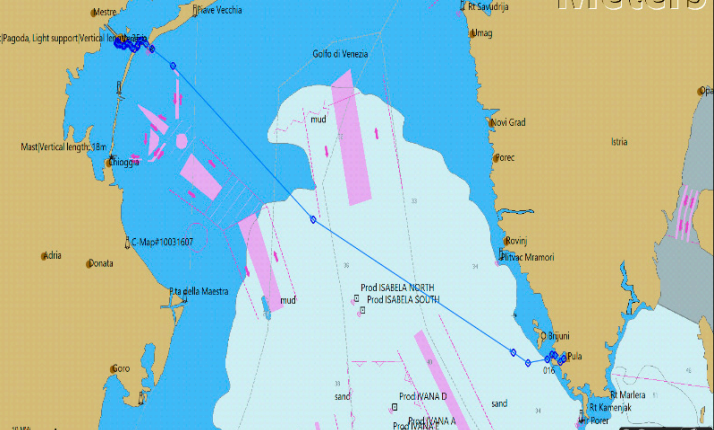
Carbon emissions generated by the transportation sector represent a large part of total greenhouse gas emissions and are thus subject to various policies and initiatives for emission reduction and the development of sustainable transportation networks. Furthermore, passenger transportation generates a significant amount of emissions within this sector, especially in those countries with large and developed […]
Research Papers
On the use and abuse of Big Data in competitive markets – Possible challenges for competition law
Application of Laser Systems for Detection and Ranging in the Modern Road Transportation and Maritime Sector
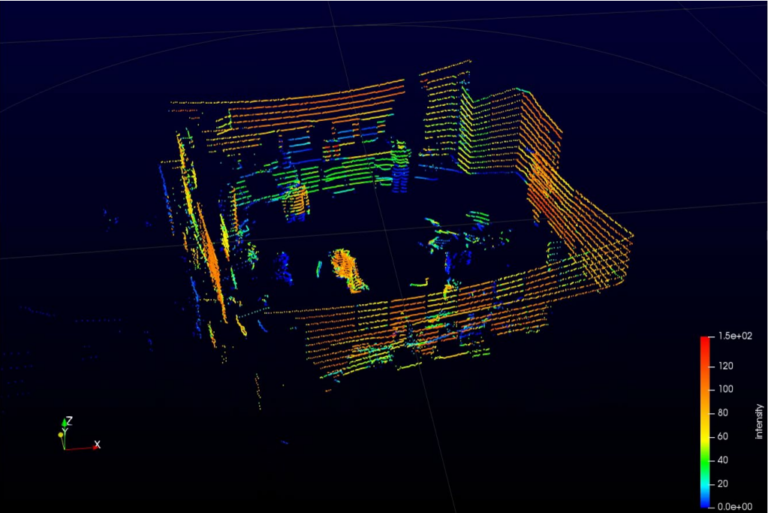
The development of light detection and ranging (lidar) technology began in the 1960s, following the invention of the laser, which represents the central component of this system, integrating laser scanning with an inertial measurement unit (IMU) and Global Positioning System (GPS). Lidar technology is spreading to many different areas of application, from those in autonomous […]
Neural Natural Language Generation: A Survey on Multilinguality, Multimodality, Controllability and Learning
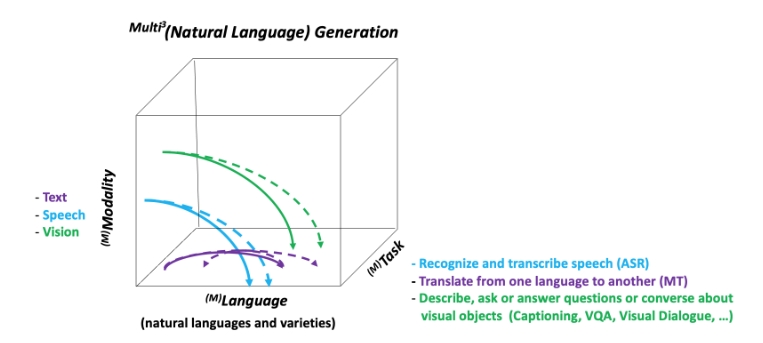
Developing artificial learning systems that can understand and generate natural language has been one of the long-standing goals of artificial intelligence. Recent decades have witnessed an impressive progress on both of these problems, giving rise to a new family of approaches. Especially, the advances in deep learning over the past couple of years have led […]
Entropy-Based Concentration and Instantaneous Frequency of TFDs from Cohen’s, Affine, and Reassigned Classes
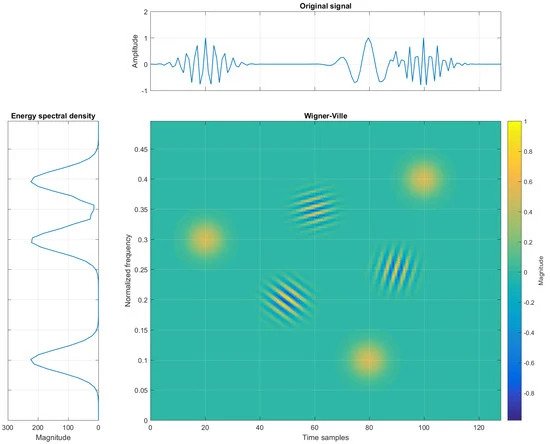
This paper explores three groups of time–frequency distributions: the Cohen’s, affine, and reassigned classes of time–frequency representations (TFRs). This study provides detailed insight into the theory behind the selected TFRs belonging to these classes. Extensive numerical simulations were performed with examples that illustrate the behavior of the analyzed TFR classes in the joint time–frequency domain. […]
Coupled encoding methods for antimicrobial peptide prediction: How sensitive is a highly accurate model?
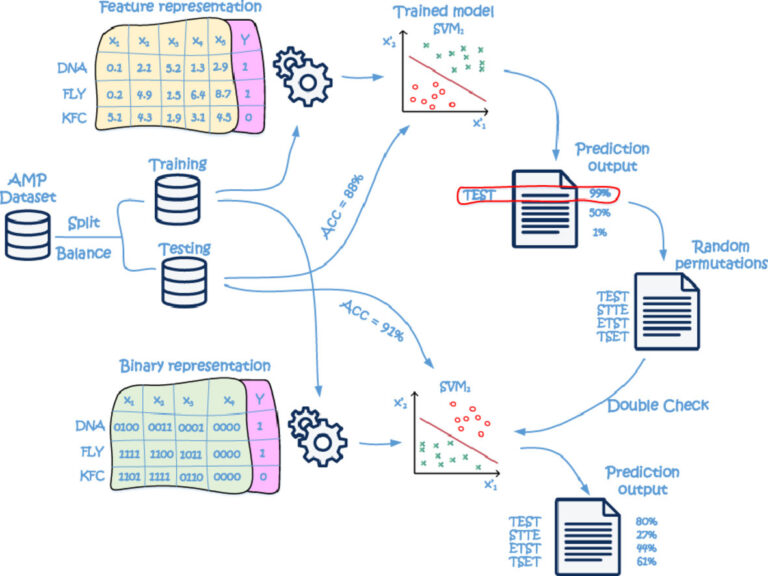
The Choice of Time–Frequency Representations of Non-Stationary Signals Affects Machine Learning Model Accuracy: A Case Study on Earthquake Detection from LEN-DB Data
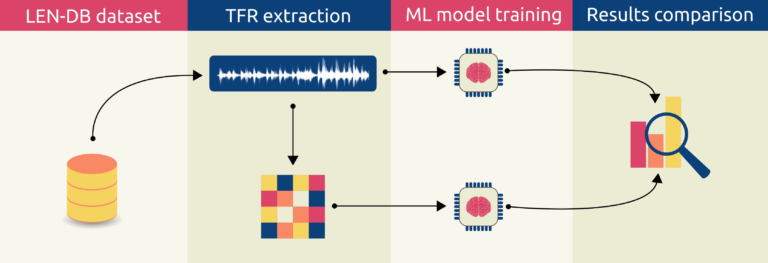
Non-stationary signals are often analyzed using raw waveform data or spectrograms of those data; however, the possibility of alternative time–frequency representations being more informative than the original data or spectrograms is yet to be investigated. This paper tested whether alternative time–frequency representations could be more informative for machine learning classification of seismological data. The mentioned […]
Improved Parametrized Multiple Window Spectrogram with Application in Ship Navigation Systems
In analyzing non-stationary noisy signals with time-varying frequency content, it’s convenient to use distribution methods in joint, time and frequency, domains. Besides different adaptive data-driven time-frequency (TF) representations, the approach with multiple orthogonal and optimally concentrated Hermite window functions is an effective solution to achieve a good trade-off between low variance and minimized stable bias […]
BlueNavi: A Microservices Architecture-Styled Platform Providing Maritime Information
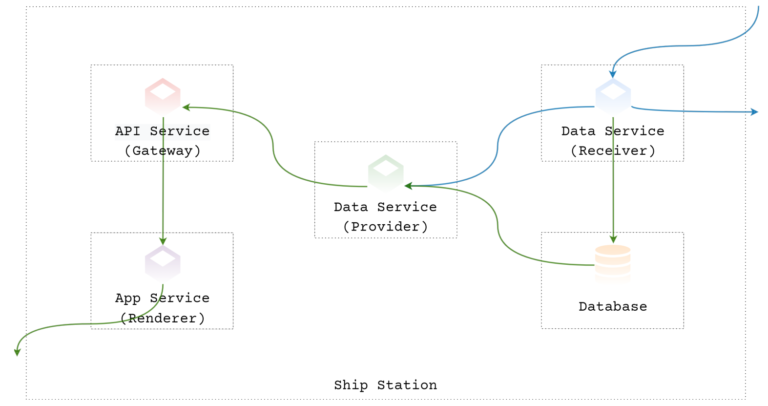
Traditional methods of marine navigation are undergoing a revolution brought about by the almost universal adoption of the Automatic Identification System (AIS). AIS exchanges a wealth of navigational information among vessels and between ships to shore through Very High Frequency (VHF). With AIS data integrated into the Electronic Chart Display and Information System (ECDIS), the […]
Shipboard Data Compression Method for Sustainable Real-Time Maritime Communication in Remote Voyage Monitoring of Autonomous Ships
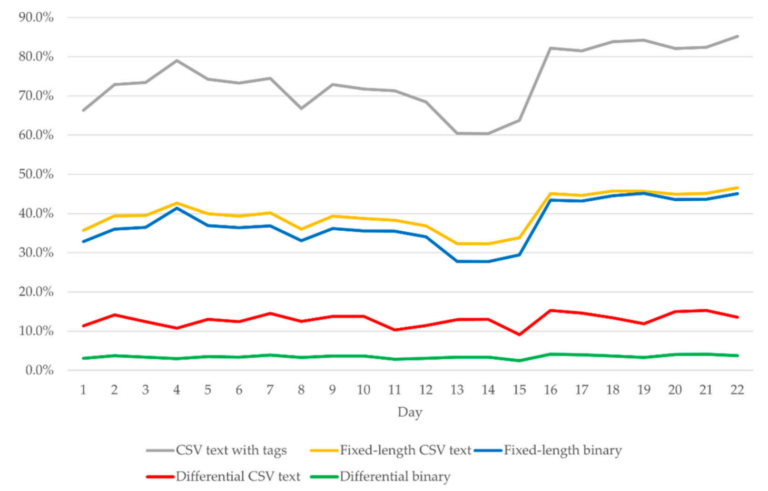
Due to the ever-increasing amount of data collected and the requirements for the rapid and reliable exchange of information across many interconnected communication devices, land-based communications networks are experiencing continuous progress and improvement of existing infrastructures. However, maritime communications are still characterized by slow communication speeds and limited communication capacity, despite a similar trend of […]