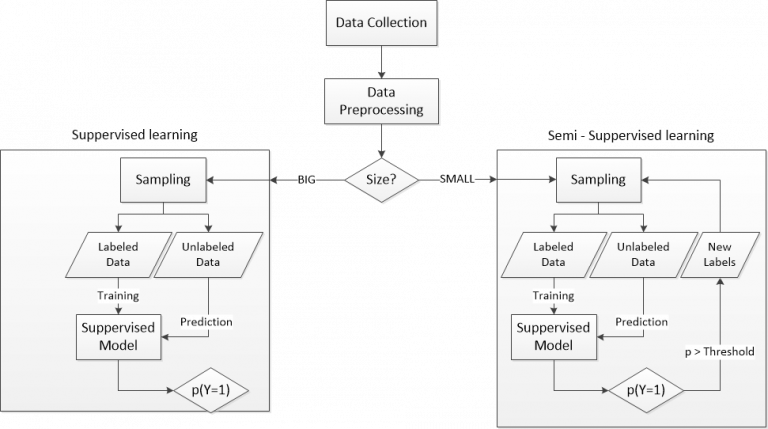
Institution: Faculty of Engineering, University of Rijeka Objective: The aim of this project proposal is to build a catalytic activity prediction model for peptides that would drive a smart exploration of huge chemical search space.
Scientific Projects
Towards a sustainable Proof-of-Work
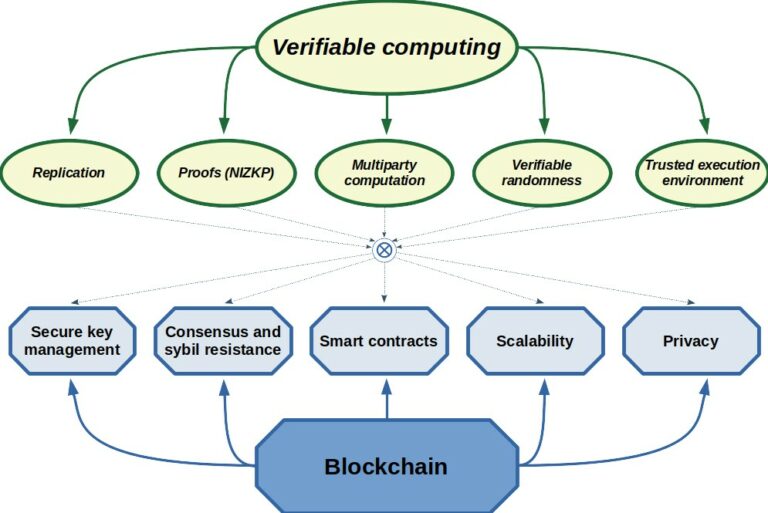
Verifiable computing applications for sustainable and scalable public blockchains
Sustainable Construction of Artificial Gravel Beaches – Construction of New Beaches and an Increase of Existing Capacity (BEACHEX)
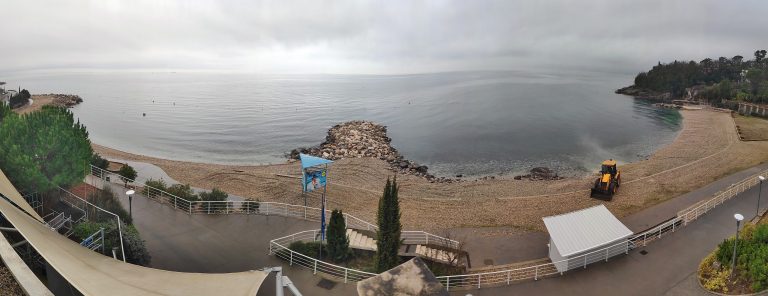
A scientific project conducted by the Faculty of Civil Engineering, University of Zagreb with the Lancaster Environment Centre, Lancaster University that has been fully supported by the “Research Cooperability“ Program of the Croatian Science Foundation funded by the European Union from the European Social Fund under the Operational Programme Efficient Human Resources 2014-2020.
SKILLSEA

Technology and digitalisation are transforming the shipping industry. ‘Smart’ ships are coming into service, creating demand for a new generation of competent, highly-skilled maritime professionals. Europe is a traditional global source of maritime expertise and the four-year SKILLSEA project is launched with the aim of ensuring that the region’s maritime professionals possess key digital, green […]
Multi3Generation: Multi-task, Multilingual, Multi-modal Language Generation

Language generation (LG) is a crucial technology if machines are to communicate with humans seamlessly using human natural language. A great number of different tasks within Natural Language Processing (NLP) are language generation tasks, and being able to effectively perform these tasks implies (1) that machines are equipped with world knowledge that can require multi-modal […]
Language guidance tool for improving language knowledge

In line with EU language policy and its efforts to promote mobility and intercultural understanding, language acquisition and multilingualism represent important elements of the EU’s language policy, promoting the knowledge of 2 languages in addition to the mother tongue. In line with the linguistic background of the EU policy the project “LanGuide” is focused on […]
People in Motion: Entangled Histories of Displacement across the Mediterranean (1492-1923)
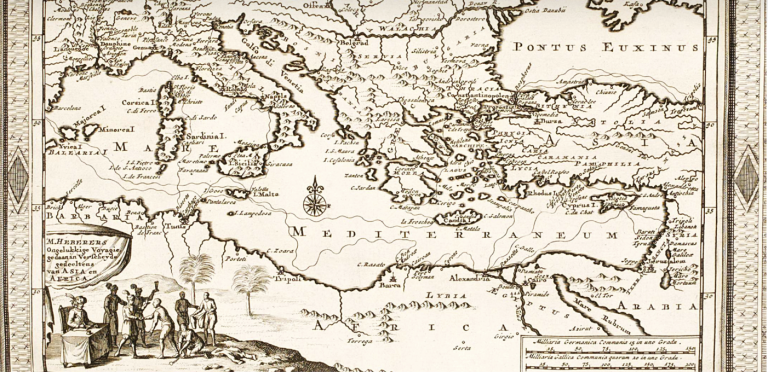
People in Motion: Entangled Histories of Displacement across the Mediterranean, or PIMo, explores common forms of displacement and dispossession across the Mediterranean from the fifteenth century to the present. With a focus on people – and the ideas, objects, and writing that accompanied them – our goals include evaluating the ways and degree to which these […]
Embedded systems for 3D perception
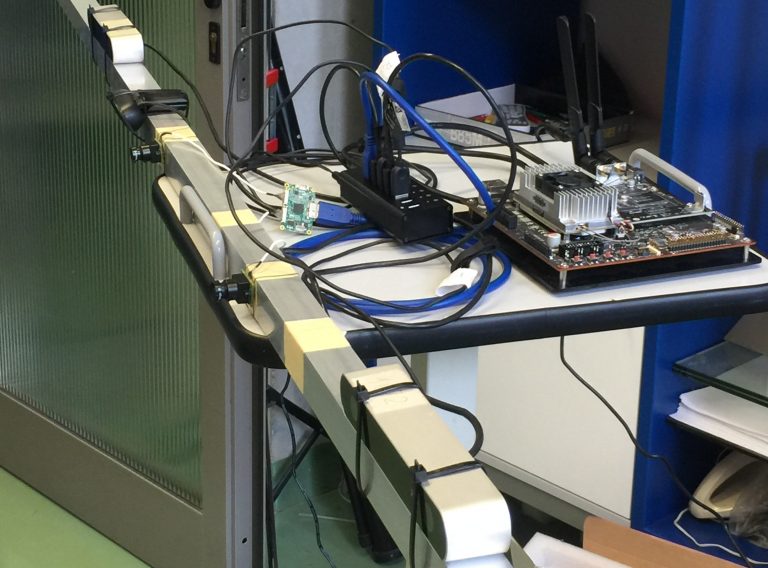
The main objective of this project is the scientific and practical analysis of a distributed embedded system for 3D perception targeted for people and object tracking through the efficient implementation of new algorithms optimized for execution on embedded systems. The project will enable the mobility of the researchers, ensure continuous research, foster the dissemination of […]
Distant Reading for European Literary History

Grounded in the Distant Reading paradigm (i.e. using computational methods of analysis for large collections of literary texts), the project creates a shared theoretical and practical framework to enable innovative, sophisticated, data-driven, computational methods of literary text analysis across at least 10 European languages. Fostering insight into cross-national, large-scale patterns and evolutions across European literary […]
Digital transformation of society: Legal aspects
Digitalisation transforms and accelerates not only the ways of doing business, but also the ways of thinking. Unprecedented interconnectedness and access in the cyberspace, where everything is available at the touch of a finger, give rise to many issues concerning the transfer and impact of new technologies from the digital world on social relations in […]