
Knowledge Graphs (KGs) have gained attention due to their ability to represent structured and interlinked information. KGs represent knowledge in the form of relations between entities, referred to as facts, typically grounded in formal ontological models. Such machine-readable formats enable AI systems to make decisions using clear and verifiable data. Consequently, KGs have become essential […]
Scientific Projects
LIVE Quantum – Development of an Integrated AI Platform for Multichannel Personalized Management of User Requests
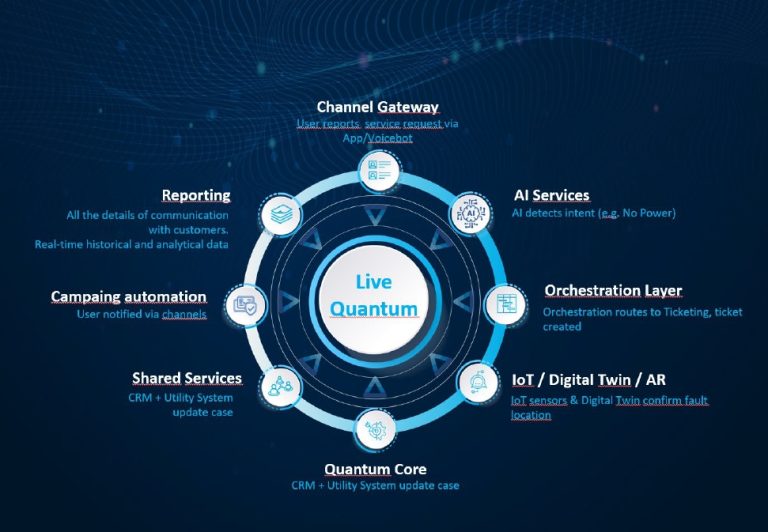
The LIVE Quantum project focuses on the research and development of an advanced, integrated AI-based platform for multichannel, personalized management of user requests, primarily targeting operators of critical infrastructure systems such as energy, water, gas, telecommunications, and utilities. The project combines industrial research and experimental development activities to create a scalable and modular solution that […]
Predicting Anomalous Trajectories Using Machine Learning
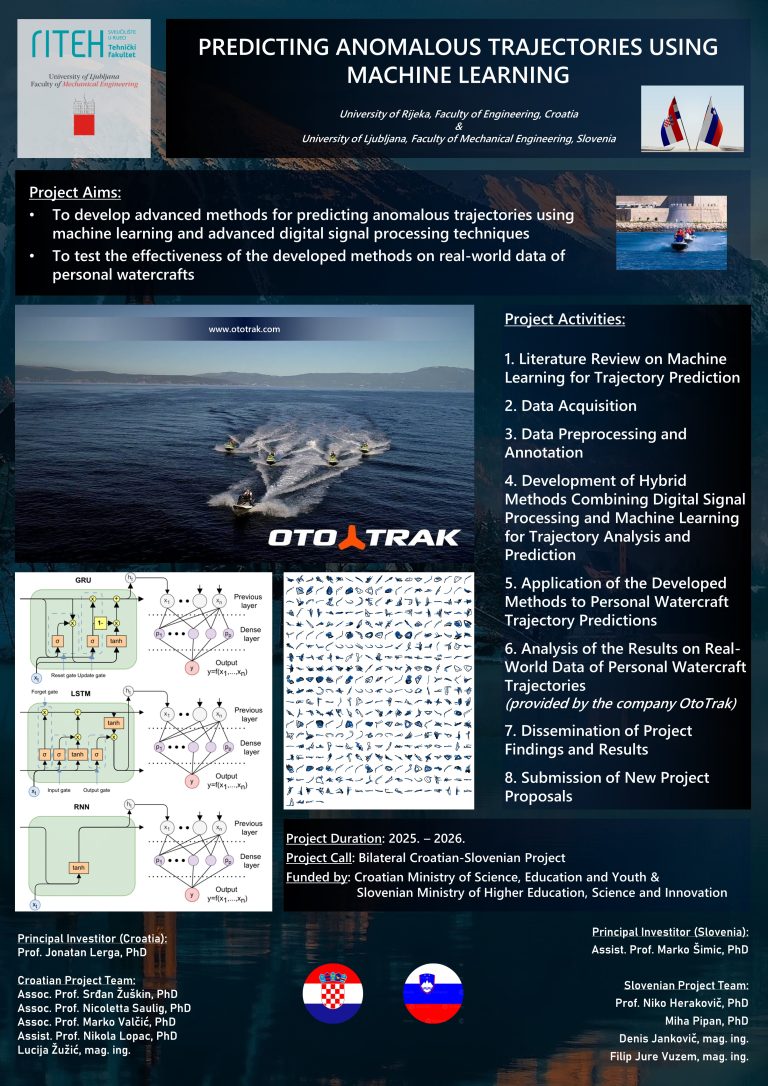
The proposed project focuses on applying machine learning to predict future trajectories, i.e., geographic position, using as input the changes in longitude and latitude, speed, and heading. Trajectories are classified based on inflection points present in the functions representing segments of the trajectories. Since the developed algorithms are intended for real-world data, preprocessing is planned. […]
Adaptive Algorithms for Integrating Compressive Sensing with Deep Learning
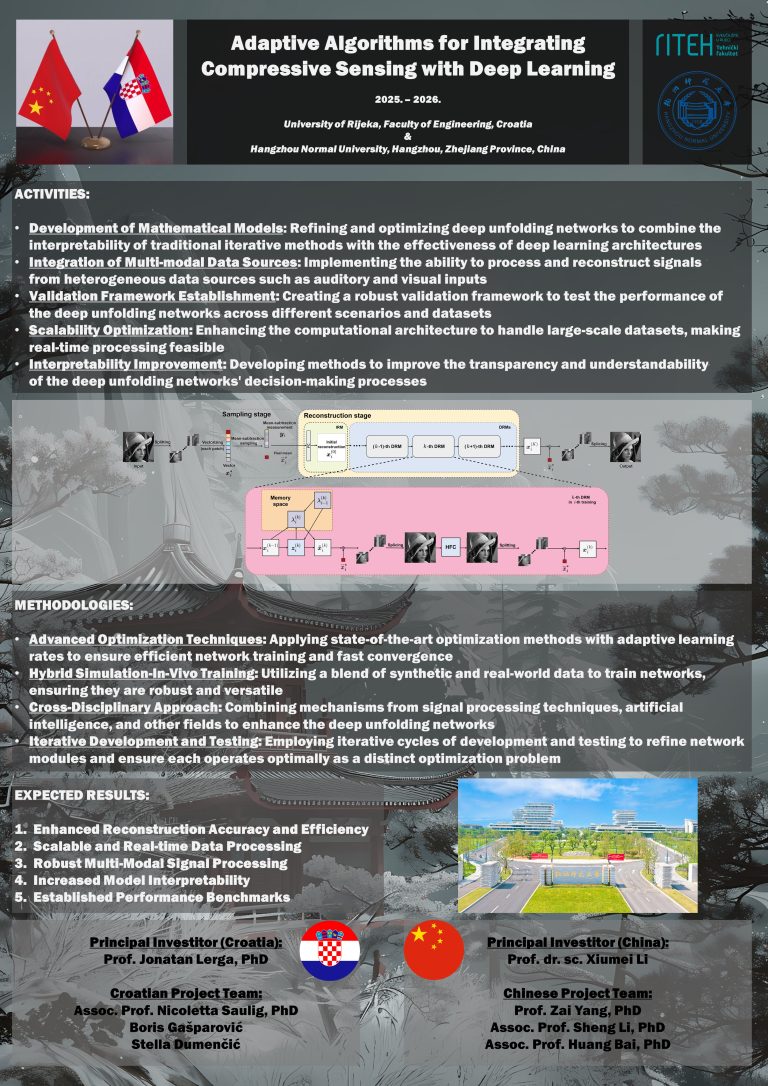
The project aims to improve image compressive sensing (CS) reconstruction by developing deep unfolding networks that combine the interpretability of iterative CS algorithms with the speed of deep learning. Instead of tying each network block to a single iteration, the proposed approach treats each module as an independent optimization problem with its own CS model […]
Deep Learning for Smart Energy Systems Management
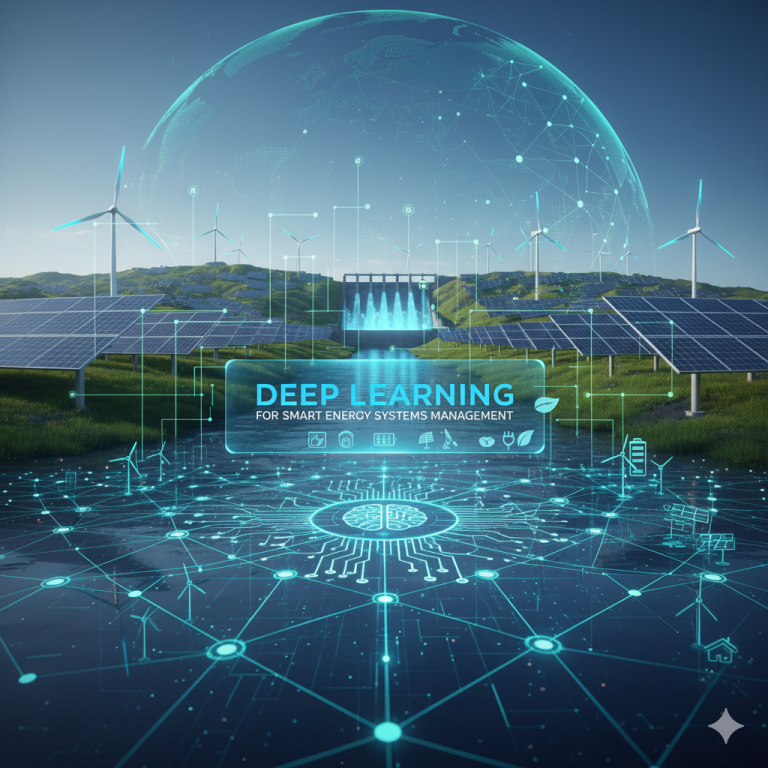
As a key component of modern energy management systems, energy demand forecasting plays a crucial role in efficient resource allocation, grid stability, and the integration of renewables. Traditionally, classical techniques such as ARIMA and SARIMA have been used for energy demand prediction due to their simplicity and interpretability. However, these conventional methods often fail to […]
Advanced Data Analysis Using Digital Signal Processing and Machine Learning Techniques
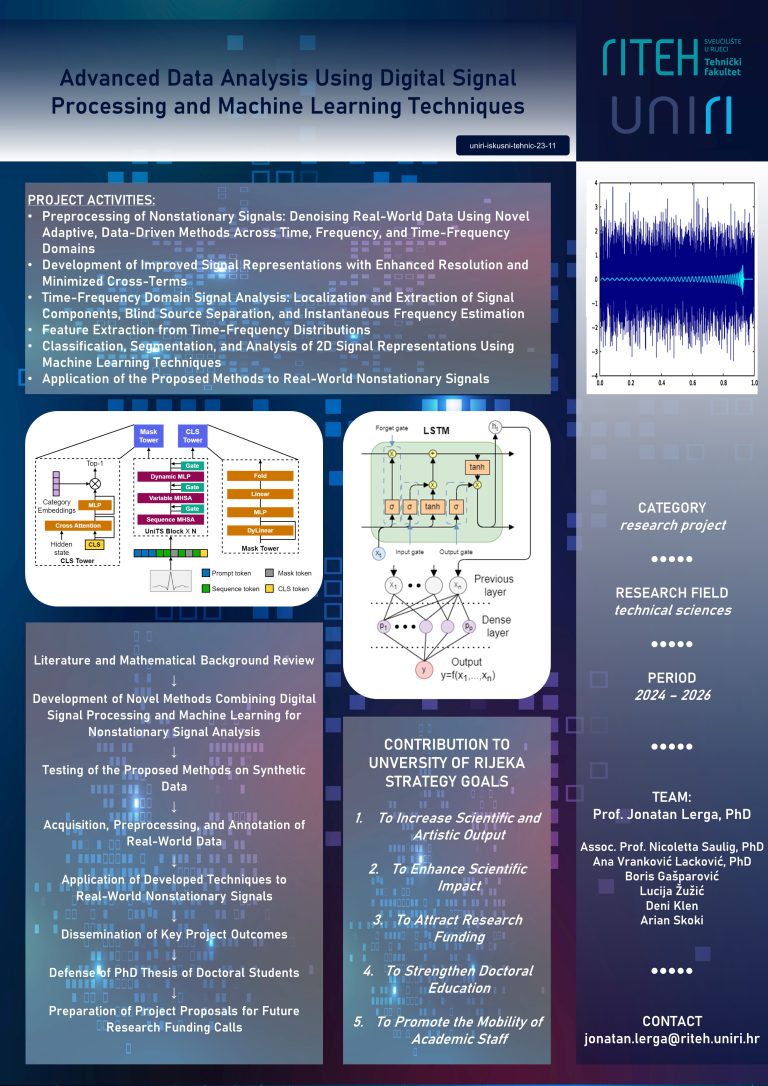
This project focuses on processing real-life digital signals (time-series and images), which often exhibit a non-stationary nature. We plan to utilize advanced signal processing techniques and artificial intelligence to analyze and classify such data. The project envisages the transformation of time-series into images (time-frequency representations providing simultaneous insight into signal characteristics in both domains). Special […]
Compound Flooding in Coastal Rivers in Present and Future Climate

The subject of this project is compound flooding in coastal areas due to high sea and river levels. Compound flooding is a global research priority due to the increasing occurrence in the context of climate change. The problem of compound flooding in coastal rivers is challenging because of a complex interaction between several factors, including […]
Data Processing on Graphs
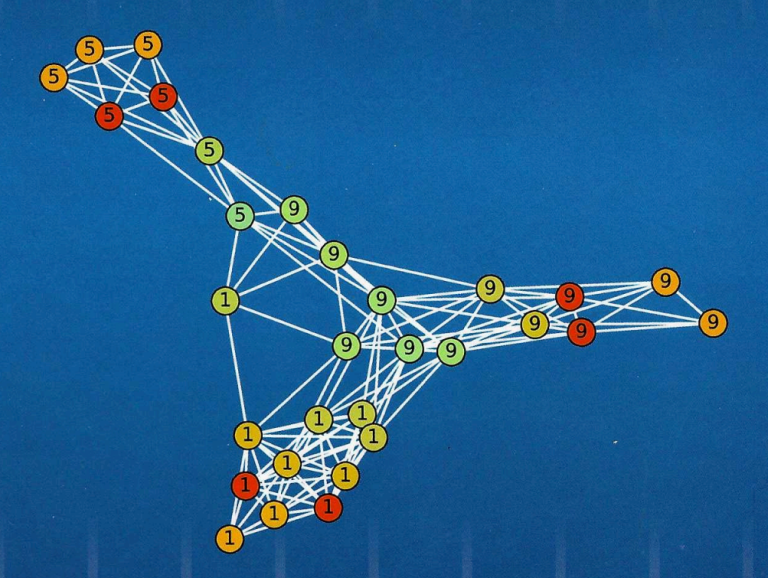
Big data and the ever-growing need for their fast and efficient processing, aimed at obtaining information used in the automation of business processes, improving communication, enhancing efficiency and success in practically every segment of human activities, as well as better understanding of nature, humans, and society, are some of the main characteristics of computer technology […]
North Adriatic Hydrogen Valley
The aim and main objectives of the NAHV The project’s main goal is the creation of a hydrogen-based economic, social and industrial ecosystem based on the capacity of the quadruple helix actors. This will drive economic growth, generating new job opportunities within the framework of both the green and digital transitions and, by creating the conditions […]
Data Governance and Intellectual Property Governance in Common European Data Spaces – DGIP-CEDS

The development of common European data spaces is the bedrock of the future European data economy, which could bring huge benefits, but also poses significant challenges and risks. Hence, it is vital to perform research on how common European data spaces should be governed by appropriate rules. DGIP-CEDS aims to map, analyse and further develop […]